Navigating the mortgage process as a self-employed borrower can feel overwhelming, especially when your income…
Reverse Mortgages: Weighing Benefits and Risks for Utah Homeowners
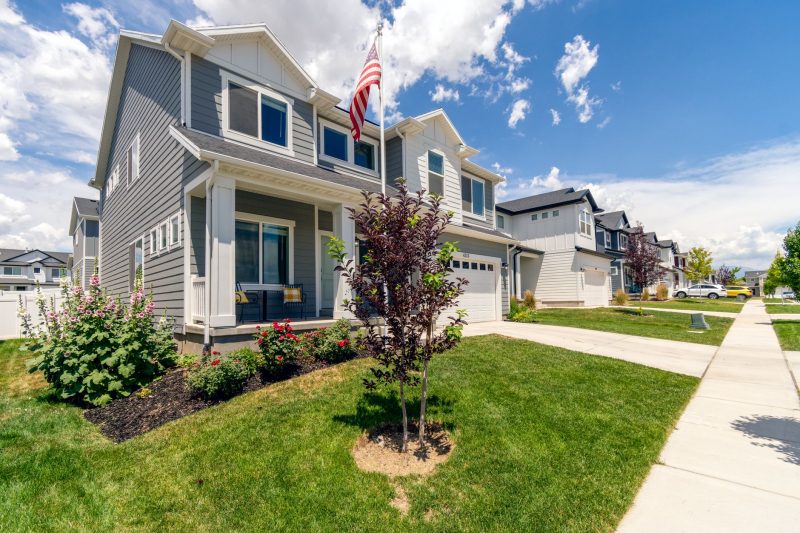
Deciding how to use your home equity in retirement is a big step, and understanding your choices can sometimes feel overwhelming. A reverse mortgage is a loan that allows homeowners age 62 or older to convert some of their home’s equity into cash, with repayment deferred until the home is sold, the homeowner moves, or passes away. In this guide, I’ll break down the key benefits and drawbacks of reverse mortgages so you can make an informed choice in Lehi, Salt Lake City, Provo, Park City, and throughout Utah.
Key Takeaways
- Purpose: Reverse mortgages offer homeowners age 62+ access to home equity funds without monthly mortgage payments.
- Eligibility: Must live in the home as a primary residence; property must meet HUD guidelines.
- Repayment: Loan becomes due when the home is sold, you move out, or all borrowers pass away.
- Best For: Homeowners seeking extra cash flow or to supplement retirement income, who plan to stay in their home long-term.
- Risks: Reduces home equity, may affect inheritance, and comes with specific ongoing requirements.
Quick Answers: Reverse Mortgages in Utah
- Who can apply for a reverse mortgage? Homeowners age 62 or older who live in their home as a primary residence.
- Do you lose ownership of your home? No. You retain title, but must keep property taxes, insurance, and maintenance current.
- When do you have to repay the loan? Repayment is due when you sell the home, no longer live there as your primary residence, or all borrowers pass away.
- Can a reverse mortgage affect heirs? Yes. Heirs may inherit less equity; they can repay the loan and keep the home or sell the property to settle the debt.
- What kinds of homes qualify? Most single-family homes and FHA-approved condos in Utah counties, subject to property eligibility checks.
What Is a Reverse Mortgage?
A reverse mortgage is a type of home loan specifically designed for homeowners age 62 and older, allowing them to tap into a portion of their home equity for cash, monthly income, or a line of credit. The most common product is the Home Equity Conversion Mortgage (HECM), which is regulated by FHA and HUD. Unlike traditional loans, you don’t make monthly payments. Instead, the balance grows over time and is typically repaid when the home is sold, you move out, or pass away.
The team at Zach Eastman (NMLS# 314581) works with Utah clients considering reverse mortgages, helping them assess if this option matches their long-term goals and needs.
How Does a Reverse Mortgage Work?
With a reverse mortgage, there are a few important mechanics:
- Eligibility: Must be at least 62, occupy the home as your primary residence, and ensure the property meets FHA/HUD safety standards.
- Loan Proceeds: Receive funds as a lump sum, monthly payments, line of credit, or a combination. The amount you can borrow depends on your age, property value, and current FHA limits for counties in places like Salt Lake and Utah County.
- Flexibility: No required monthly payment, but you remain responsible for property taxes, insurance, and upkeep.
- Repayment: The loan is repaid when the last borrower moves out, sells, or passes away. At that point, your heirs or estate can pay off the balance (typically by selling or refinancing the home), or keep any remaining equity.
Benefits of Reverse Mortgages for Utah Homeowners
- Access to Cash: Useful for covering living expenses, medical bills, or home improvements without drawing down other retirement assets.
- No Monthly Mortgage Payments: Frees up monthly cash flow while allowing you to remain in your home.
- Flexible Use: Proceeds can be used however you choose, whether as a monthly supplement, emergency fund, or needed lump sum.
- Non-Recourse Loan: You (or your heirs) never owe more than the home is worth; if the loan balance exceeds the property value, FHA insurance covers the difference.
- Stay in Your Home: Remain in your residence as long as you meet loan requirements.
Drawbacks and Risks of Reverse Mortgages
- Reduces Home Equity: The loan balance grows over time, potentially leaving less equity for your heirs or for other purposes.
- Costs and Fees: Reverse mortgages require upfront and ongoing costs, such as origination, FHA insurance, and servicing fees. These are usually added to the loan balance.
- Ongoing Obligations: You must pay property taxes, homeowners insurance, utilities, and maintain the home. Failure to meet these can lead to default and possible foreclosure.
- Repayment Triggers: Moving out for more than 12 consecutive months (such as for long-term care) or selling the house will trigger repayment.
- Potential Impact on Assistance: Proceeds may affect eligibility for needs-based government benefit programs—review with a financial advisor if this is a concern.
Who Should Consider a Reverse Mortgage?
Reverse mortgages can be suitable for:
- Homeowners who have significant home equity and want/need to supplement their monthly income in retirement.
- Borrowers planning to stay in their home long-term and able to maintain their property taxes, insurance, and upkeep.
- Individuals wishing to eliminate required monthly mortgage payments.
It’s important to note that reverse mortgages are not right for everyone. If leaving the property to heirs with maximum equity is a top priority, or if there’s uncertainty about remaining in the home, other alternatives may be a better fit.
Reverse Mortgage vs. Other Equity Options
| Feature | Reverse Mortgage | Home Equity Line of Credit (HELOC) | Cash-Out Refinance |
|---|---|---|---|
| Minimum Age | 62 | None (age requirements vary by lender) | None |
| Monthly Payments | Not required | Required | Required |
| How Funds Are Paid Out | Lump sum, monthly, line of credit, or combo | Line of credit, draw as needed | Lump sum at closing |
| Repayment Due | When you move out, sell, or pass away | Monthly payments required | Monthly payments required |
| Impact on Equity | Reduces equity over time | Reduces equity as borrowed | Reduces equity by cash out amount |
How to Decide if a Reverse Mortgage Is Right for You
If you’re considering a reverse mortgage in Lehi, Provo, Salt Lake City, Park City, or the broader Utah area, think through these steps:
- Assess Your Goals: Are you looking to increase monthly cash flow, cover a major expense, or set up financial flexibility for future needs?
- Understand Requirements: Review ongoing obligations (taxes, insurance, maintenance) and eligibility based on your property type and location.
- Discuss with Family: Make sure any co-borrowers and heirs are aware of how a reverse mortgage could affect inheritance or future plans.
- Consult a Trusted Advisor: Review the pros and cons with a lender, and possibly a financial planner, before applying.
- Compare Alternatives: Look at other options such as HELOCs, downsizing, or refinancing to see which aligns best with your long-term plans.
Common Myths and Misunderstandings
- “The bank owns my home if I get a reverse mortgage.” False: You keep title to your home and remain the owner, just as with any other mortgage.
- “I can’t leave my house to my heirs.” False: Your heirs can pay off the balance (usually via sale or refinance) and retain any remaining equity.
- “I can use the funds for any purpose.” True: Reverse mortgage proceeds are flexible; just monitor how they might impact government benefit programs.
- “There are no regular requirements.” False: You must pay taxes, insurance, utilities, and keep up your home; failing to do so risks foreclosure.
Reverse Mortgage Counseling and Next Steps
To protect borrowers, reverse mortgage counseling is required by HUD before you can apply for a HECM loan. This independent process helps ensure your questions are answered and that you fully understand your options and responsibilities.
If you’re curious about what a reverse mortgage could look like for your home in Utah County, Summit County, or nearby, reach out for a confidential review. We’ll walk through your home’s estimated equity, local property guidelines, and realistic eligibility. Getting started early gives you more options and peace of mind as you plan your financial future.
Ready to Explore Your Home Equity?
Questions about reverse mortgages or wondering if they fit your retirement plans? Call, text, or email me and let’s review your scenario together. We can compare reverse mortgage features to other options, answer your “what ifs,” and map out the next steps—whether you’re planning ahead or ready to start the pre-approval process.
Frequently Asked Questions
Can I lose my home with a reverse mortgage?
You retain homeownership with a reverse mortgage, but must keep up with property taxes, insurance, and maintenance. Failure to do so can result in foreclosure, so it's vital to meet all ongoing obligations.
What happens to my reverse mortgage if I move or enter a care facility?
If you move out of your home for more than 12 months—such as entering a long-term care facility—the reverse mortgage loan becomes due. Repayment is typically handled by selling the home or refinancing the balance.
Will a reverse mortgage impact my Social Security or Medicare benefits?
Reverse mortgage proceeds do not affect Social Security or Medicare. However, they can impact Medicaid or other needs-based benefits, so review your situation with a benefits advisor if this applies to you.
Can my heirs keep my home after I pass away?
Yes. Your heirs can pay off the reverse mortgage balance and retain the home, or sell the property and use proceeds to pay off the loan. Any remaining equity belongs to your estate.
Are reverse mortgage rates and fees different from regular loans?
Reverse mortgages have unique fee structures, including FHA insurance and servicing costs, and rates may differ from traditional mortgages. It's important to review all fees and compare with other products before deciding.
This is educational and not financial advice. Loan programs and guidelines can change. Talk with a licensed mortgage professional about your specific scenario.

About the Author
Zach Eastman
Lending Manager at Zenlo Lending LLC · NMLS #314581
The founder, and CEO of Zenlo Lending’s mortgage team, where he blends the spirit of a teacher with the precision of a financial analyst. With a passion for helping others, Zach approaches each client’s journey as an opportunity for growth and enlightenment.
Specializes in: Conventional loans, FHA loans, VA loans
Licensed in: CO, ID, TX, UT
Related Posts