
Ready to build your dream home? Explore our construction home loans.
Building a home is a big step. Our construction home loans are designed to support you at every stage of this exciting journey.
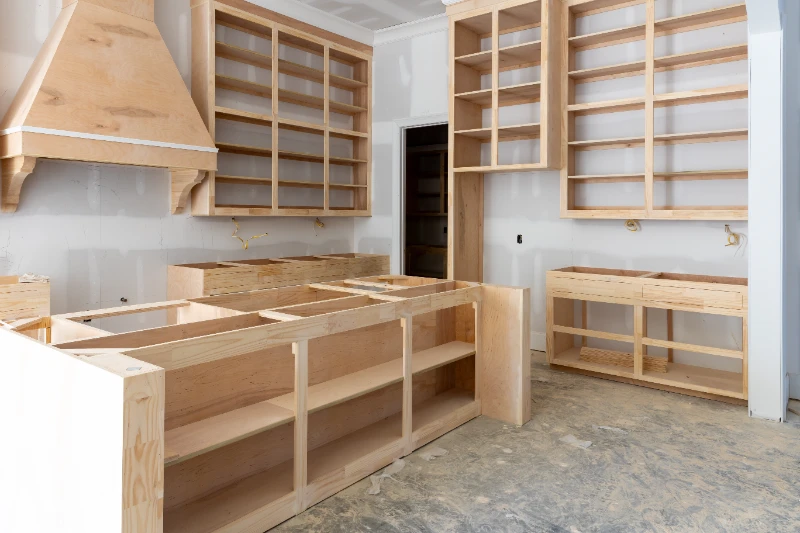
A construction home loan is a specialized mortgage that finances the building of a new home or major renovations, with funds released as work progresses. If you’re planning to build in Lehi, Utah, I’m Zach Eastman (NMLS #314581), and I help buyers navigate the unique process of construction home loans from start to finish. My experience working with local families, first-time buyers, veterans, and self-employed borrowers means I understand the challenges and opportunities in our community.
Key Takeaways
- Flexible Financing: Construction home loans in Lehi, Utah provide funds in stages as your home is built, rather than a single lump sum.
- One-Time or Two-Time Close: Choose between a single loan that converts to a mortgage or separate construction and permanent loans.
- Detailed Planning Required: Lenders require full plans, budgets, and a licensed builder before approving your loan.
- Interest-Only During Construction: You typically pay only interest while your home is being built, with principal payments starting after completion.
- Local Expertise Matters: Working with a construction home lender in Lehi, Utah ensures you meet local building codes and timelines.
- Alternative Options Available: If you’re renovating, consider a rehab loan or FHA home loan for streamlined financing.
- Special Programs for Veterans and Self-Employed: VA construction options and bank statement programs may be available for qualifying borrowers.
Construction Home Loan Options in Lehi, Utah: Quick Answers
- What is a construction home loan? It’s a short-term loan that covers the cost of building a new home or major renovations, releasing funds as construction milestones are met.
- How does a construction home loan differ from a traditional mortgage? Construction loans provide money in draws as work is completed, while traditional mortgages fund the purchase of existing homes in one lump sum.
- Can I use a construction home loan for renovations? Yes, certain construction home programs allow for major renovations, but smaller projects may be better suited to a HELOC or rehab loan.
- What credit score do I need for a construction home loan in Lehi, Utah? Most lenders look for a credit score of at least 680, but requirements can vary based on the program and your overall financial picture.
- Do I need to own land before applying? You can finance both land and construction together, or just the build if you already own the lot.
- What happens after construction is finished? The loan typically converts to a permanent mortgage, or you refinance into a new loan—depending on the program you choose.
How the Construction Home Loan Process Works in Lehi, Utah
- Initial Consultation: I’ll meet with you to review your goals, budget, and timeline, helping you understand which construction home loan program fits your needs. We’ll discuss your plans, whether you’re a first-time buyer, veteran, or self-employed.
- Pre-Qualification and Documentation: You’ll provide financial documents, credit information, and details about your builder and project. Lenders require architectural plans, a detailed budget, and builder credentials to move forward.
- Loan Application and Approval: Once your documents are ready, we submit your application. The lender reviews your credit, debt-to-income ratio, and the specifics of your build. Approval hinges on both your finances and the viability of the construction project.
- Appraisal and Underwriting: The lender orders an appraisal based on your plans and budget. Underwriters verify that the project meets lending guidelines and local building codes in Lehi, Utah.
- Closing on the Construction Loan: After approval, you’ll close on the construction loan. Funds are not disbursed all at once—instead, they’re released in draws as each phase of construction is completed and inspected.
- Construction Phase and Draws: Your builder requests funds at key milestones (foundation, framing, etc.), and the lender inspects progress before each draw. During this period, you typically make interest-only payments on the amount drawn.
- Conversion to Permanent Financing: When the home is finished, the construction loan either converts automatically to a long-term mortgage or you refinance into a new loan, locking in your final rate and payment schedule.
Is a Construction Home Loan Right for You?
Construction home loans are ideal for buyers who want to build a custom home, undertake major renovations, or purchase land and build from scratch. If you have a clear vision, a reputable builder, and the patience for a longer, more complex process, this loan can help you create exactly what you want. In my experience, these loans are especially attractive to self-employed borrowers who want to tailor their home to unique needs, as well as veterans seeking VA construction options. If you’re a first-time home buyer, I’ll guide you through each step to make the process as smooth as possible.
However, a construction home loan may not be the best fit for everyone. If you need to move quickly, have limited savings for a down payment, or are uncomfortable with the unpredictability of construction timelines, you might want to consider alternatives like a fixed-rate mortgage for existing homes or a low down payment purchase option. In our experience, buyers who are not fully prepared for the demands of custom building often find more peace of mind with a traditional purchase or a rehab loan for updating an existing property.
Construction Home Loan Costs, Fees, and What to Expect
Understanding the costs and fees of a construction home loan is crucial for budgeting and planning. You’ll typically need a down payment of at least 5% to 20%, depending on the program and your credit profile. Closing costs can be higher than a standard mortgage because you’re paying for two closings if you use a two-time close (one for the construction loan, one for the permanent loan). Interest rates on construction loans are often slightly higher than traditional mortgages, reflecting the added risk to the lender. During construction, you’ll usually make interest-only payments on the amount drawn, which helps with cash flow. Once construction wraps up, your loan converts to a standard mortgage, and your payment structure changes to include principal and interest.
Timelines for construction loans are longer than for standard mortgages, often stretching from 6 to 18 months depending on the complexity of the build and local permitting. It’s important to budget for potential overruns and delays. In our experience, working with a local construction home lender in Lehi, Utah helps keep things on track and ensures your project meets city and county requirements.
| Feature | Construction Home Loan | Traditional Mortgage |
|---|---|---|
| Down Payment | 5%–20% (check current limits as of 2026) | 3%–20% (varies by program) |
| Closing Costs | Higher (may include two closings) | Lower (single closing) |
| Interest Rate | Typically higher during construction | Usually lower, fixed or adjustable |
| Payment During Build | Interest-only on drawn funds | Principal and interest from day one |
| Timeline | 6–18 months (build time) | 30–60 days (purchase) |
| Conversion | Converts to permanent loan or refinances | None needed |
Common Mistakes to Avoid With Construction Home Loans
- Underestimating the Total Cost: Many borrowers overlook costs like permits, landscaping, or change orders, leading to budget shortfalls. Always add a buffer for unexpected expenses.
- Choosing the Wrong Builder: Working with an inexperienced or unlicensed builder can delay your project and jeopardize loan approval. Lenders in Lehi, Utah require licensed, reputable contractors.
- Skipping Pre-Approval: Starting construction before securing financing can halt your project midstream. Get pre-approved and have all documentation ready before breaking ground.
- Not Understanding Draw Schedules: Mismanaging draw requests can stall construction and create payment issues with your builder. Stay in close communication with your lender and builder throughout the process.
- Ignoring Local Zoning and Permits: Failing to comply with Lehi’s building codes or HOA rules can cause costly delays or even force redesigns. Always verify requirements before finalizing plans.
- Overextending Financially: Taking on a project that stretches your budget too thin can create stress and risk. Be realistic about what you can afford, especially with potential cost overruns.
Local Factors for Construction Home Loans in Lehi, Utah
Building in Lehi, Utah comes with unique local considerations that impact your construction home loan experience. Our area is growing rapidly, with high demand for new homes and limited available lots. This can drive up land prices and increase competition for reputable builders. Lehi’s city and county building codes are strict, so it’s vital to work with professionals familiar with local permitting and inspection processes. Weather can also affect construction timelines, especially in winter. In my volunteer work with local housing initiatives, I’ve seen how early planning and community connections can help smooth the process for buyers in Lehi.
Ready to Explore Your Construction Home Loan Options?
If you’re considering building your dream home in Lehi, Utah, I’d love to help you understand your construction home loan options and guide you from planning to move-in. Whether you’re a first-time buyer, veteran, or self-employed, I’ll help you compare programs and avoid common pitfalls. You may also want to review our first-time home buyer programs or see if a bank statement loan is a better fit for your situation. Get started with Zach Eastman (NMLS #1872884) today—contact me, Zach Eastman (NMLS #314581), for a personalized consultation or request a quote at zenlolending.com/quote/.
This is educational content and not financial advice. Loan programs and guidelines can change. Talk with a licensed mortgage professional about your specific scenario.
Surf our website to learn about our company, see our loan programs, and request a free consultation.
Get started today!
Fill out the questionnaire on this page to start a discussion about your mortgage needs today!
Frequently Asked Questions
What is a Construction Home Loan?
A construction home loan is a short-term loan that provides financing to build a new home or make major renovations. The funds are typically released in stages, or “draws,” as each phase of construction is completed.
How does a construction-to-permanent loan work?
A construction-to-permanent loan combines financing for the home’s construction and its long-term mortgage into one loan. Once the build is finished, the loan converts into a standard mortgage, saving time and additional closing costs.
What are the requirements for getting a construction loan?
Lenders generally require detailed construction plans, a licensed builder, and a completed budget or cost breakdown. Strong credit, stable income, and a sufficient down payment are also important factors.
Can I use a construction loan to build on land I already own?
Yes. Many construction loans allow you to use equity in land you already own as part of your down payment or collateral for the loan.
How are payments made during the construction phase?
During construction, borrowers typically make interest-only payments on the amount drawn so far. Once the project is complete and the loan converts to permanent financing, regular principal and interest payments begin.
