
Fix up your fixer upper home with a Rehab Loan.
You may be able to purchase a home and roll the costs of the renovation into your loan.
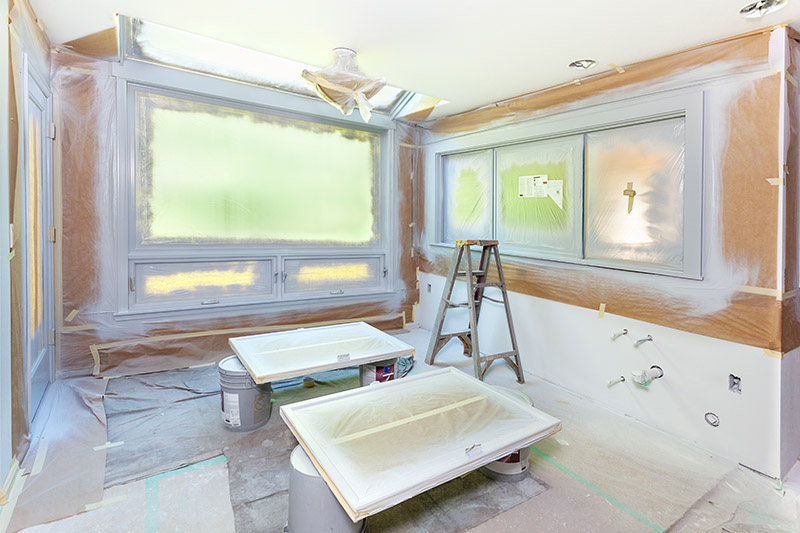
A rehab loan is a specialized mortgage that lets you finance both the purchase and renovation of a home in one package. For buyers in Lehi, Utah, I’m Zach Eastman (NMLS #314581), and I help clients use rehab loans to turn fixer-uppers into dream homes—whether you’re a first-time buyer, a veteran, or self-employed. Rehab loans can be a practical solution when you find a property with potential but need extra funds to bring it up to your standards.
Key Takeaways
- All-in-One Financing: Rehab loans cover both the home purchase and the renovation costs, streamlining your project.
- Ideal for Fixer-Uppers: These loans make it possible to buy homes that need repairs or updates in Lehi, Utah.
- Flexible Program Options: Both FHA 203(k) and conventional rehab mortgages are available, each with their own requirements.
- Local Expertise: Working with a local rehab lender in Lehi, Utah ensures you get guidance tailored to the area’s market and contractors.
- Extra Steps Required: Rehab loans have more documentation and oversight than standard mortgages, including contractor bids and renovation plans.
- Great for First-Time Buyers: If you’re struggling to find a move-in ready home, a rehab program can expand your options.
- Not for Every Scenario: These loans may not be ideal for very large or luxury renovations—other loan types might fit better.
Rehab Loan Options in Lehi, Utah: Quick Answers
- What is a rehab loan? It’s a mortgage that lets you finance both the purchase price and the renovation costs of a home in a single loan.
- Who can use rehab loans in Lehi, Utah? Rehab loans are available to owner-occupants, some investors, first-time buyers, veterans, and self-employed borrowers who meet program guidelines.
- What types of rehab loans are there? The most common are FHA 203(k) loans and conventional renovation mortgages, each with different credit, down payment, and property requirements.
- How does the renovation process work? After closing, funds for repairs are held in escrow and released as work is completed and inspected.
- Are there limits on renovation costs? Yes, both FHA and conventional rehab programs have maximum loan amounts and eligible repair types—always check current 2026 limits for your county.
- Can I use my own contractor? Most rehab loan programs require you to hire a licensed, insured contractor—DIY work is usually not allowed.
How the Rehab Loan Process Works in Lehi, Utah
- Initial Consultation: We’ll meet to discuss your goals, budget, and what you want to accomplish with a rehab loan. I’ll review your credit, income, and assets to determine eligibility for the right rehab program.
- Property Search and Offer: You work with your real estate agent to find a property in Lehi, Utah that needs renovation. Once you’ve found a candidate, you make an offer contingent on obtaining rehab financing.
- Contractor Bids and Project Planning: You’ll need detailed written bids from licensed contractors outlining all planned repairs and costs. This step is critical for loan approval and future disbursements.
- Appraisal and Loan Application: The lender orders an appraisal that estimates the home’s value after renovations are complete. Your loan application will include the purchase price plus renovation costs.
- Underwriting and Approval: The underwriter reviews your financials, the property, contractor bids, and the appraisal. If everything checks out, your rehab mortgage is approved with conditions for renovation oversight.
- Closing and Escrow Setup: At closing, you sign the loan documents and the funds for renovations are placed in a repair escrow account. The seller is paid, and you take ownership.
- Renovation and Draws: After closing, your contractor begins work. Funds are released in stages (draws) as work is completed and inspected. Once all work is done and passes final inspection, any remaining funds are applied to your loan balance.
Is a Rehab Loan Right for You?
Rehab loans are ideal for buyers who want to purchase a home in Lehi, Utah that needs repairs or modernization but don’t have the cash upfront for renovations. If you’re a first-time homebuyer struggling to find move-in ready options, a veteran looking to customize a property, or self-employed and want to invest sweat equity, this program can open up more inventory and help you build equity quickly. In my experience, clients who are patient, organized, and have a clear vision for their renovation project tend to have the best outcomes with rehab mortgages.
However, a rehab loan isn’t for everyone. If you’re hoping for a fast, low-hassle closing, or if you want to do the renovation work yourself, you may want to consider alternatives like a standard FHA loan or a low down payment conventional loan. Investors looking for major flips might be better served by a fix & flip home loan or a construction home loan. Rehab loans require extra paperwork, patience, and a willingness to coordinate with contractors and inspectors.
Rehab Loan Costs, Fees, and What to Expect
Rehab loans come with some unique costs and timelines compared to standard mortgages. You’ll need to budget for standard closing costs, appraisal fees (which may be higher due to the “after repair value” assessment), and a contingency reserve (usually 10-20% of the renovation budget) to cover unexpected expenses. Down payments for FHA 203(k) loans start as low as 3.5% of the total acquisition plus renovation cost, while conventional rehab programs may require 5% or more. Interest rates can be slightly higher than standard loans, reflecting the added risk and complexity. The process typically takes longer—expect 45-60 days from application to closing, depending on contractor availability and documentation.
| Feature | Rehab Loan | Standard Loan |
|---|---|---|
| Down Payment | 3.5% (FHA), 5%+ (Conventional) | 3%-20% (varies by program) |
| Closing Costs | Standard + extra for inspections/appraisals | Standard |
| Interest Rate | Slightly higher, as of 2026 | Lower, as of 2026 |
| Timeline | 45-60 days typical | 30-45 days typical |
| Renovation Funds | Included in loan, held in escrow | Not included |
| Who Manages Repairs | Licensed contractor, lender oversight | N/A |
For those who want to tap into their home’s equity after renovations, a cash out refinance may be an option down the road. If you’re considering a bridge solution between homes, check out our bridge home loan programs as well.
Common Mistakes to Avoid With Rehab Loans
- Underestimating Renovation Costs: Many buyers overlook hidden repairs or rising material costs—always include a contingency reserve and get detailed contractor bids.
- Choosing the Wrong Contractor: Lenders require licensed, insured professionals. Hiring friends or unlicensed workers can delay or even derail your loan.
- Skipping the Paperwork: Rehab mortgages require more documentation—missing permits, incomplete bids, or vague project scopes can cause approval delays.
- Not Understanding Draw Schedules: Funds are released in stages, not all at once. Make sure your contractor is comfortable with this process to avoid project stalls.
- Expecting a Fast Closing: Rehab loans take longer due to extra steps. Plan for a longer timeline and communicate with your real estate agent and contractors.
- Ignoring Local Codes: Renovations must meet Lehi, Utah building codes and pass inspections—cutting corners can lead to costly delays or failed final sign-off.
What to Know About Rehab Loans in Lehi, Utah
Lehi, Utah’s real estate market has a mix of older homes and new construction, making rehab loans a valuable tool for buyers seeking value and customization. In our experience, many Lehi buyers are drawn to established neighborhoods where homes may need updates but offer larger lots or better locations. Local contractors familiar with Utah County codes are essential for a smooth process. Because Lehi is a fast-growing area, competition for move-in ready homes can be fierce—using a rehab mortgage can give you an edge by expanding your options to properties others may overlook. I also regularly volunteer with local housing initiatives, so I understand the unique needs of our community and can connect you with trusted resources.
Ready to Explore Your Rehab Loan Options?
If you’re ready to turn a fixer-upper into your dream home in Lehi, Utah, I’m here to guide you every step of the way. With years of experience helping buyers use rehab loans, I know how to navigate the process, avoid common pitfalls, and connect you with reputable local contractors. Whether you’re a first-time buyer, a veteran, or self-employed, let’s talk about your vision and how a rehab mortgage could work for you. Get started with Zach Eastman (NMLS #1872884) today—contact me, Zach Eastman (NMLS #314581), for a personalized consultation or request a quote at zenlolending.com/quote/.
This is educational content and not financial advice. Loan programs and guidelines can change. Talk with a licensed mortgage professional about your specific scenario.
Surf our website to learn about our company, see our loan programs, and request a free consultation.
Get started today!
Fill out the questionnaire on this page to start a discussion about your mortgage needs today!
Frequently Asked Questions
What is a Rehab Loan?
A rehab loan, also known as an FHA 203(k) or renovation loan, allows homebuyers or homeowners to finance both the purchase (or refinance) of a property and the cost of repairs or renovations into a single mortgage.
Who might benefit from a rehab loan?
Rehab loans may be ideal for buyers interested in purchasing fixer-uppers or homeowners looking to update or improve their existing property without taking out separate financing for the renovations.
What types of repairs can be included in a rehab loan?
Depending on the loan type, eligible repairs can include anything from minor updates like flooring, paint, and appliances to major projects such as roofing, structural repairs, room additions, or energy-efficient upgrades.
What are the main types of rehab loans?
The FHA 203(k) program has two main options: the Limited 203(k), which covers smaller repairs typically under $35,000, and the Standard 203(k), which is used for larger renovation projects that may involve structural work.
Can a rehab loan be used for investment properties?
Most FHA 203(k) rehab loans are intended for owner-occupied properties, not investment or rental homes. However, other renovation loan programs may be available for investors through conventional financing options.
